
Farming on Kodiak Means Living with Bears and Learning from Them
A string of bear incidents has rattled Kodiak's farming community. Seven chicken coops have been destroyed. More than 100 chickens have been lost. One ranch narrowly avoided losing an entire flock of nearly 300 sheep.
For many producers, the attacks have been a painful reminder that farming on Kodiak means sharing the landscape with one of the largest land predators in Alaska.
Unlike much of mainland Alaska, Kodiak's brown bears emerge from hibernation as early as February, long before salmon fill the rivers and before berries become available, especially with the harsh winter Alaska experienced last year. With few natural food sources, hungry bears begin searching wherever they can find another source and farms often become an unintended target.
Andrew Finke has seen the cycle before.
His family has raised chickens on Kodiak for 26 years, and while bear encounters aren't an annual occurrence, they're familiar enough to recognize.
"Every four or five years," Finke said, "it seems like a bear will learn that chicken coops mean food, and they'll start breaking into coops all over the place. When that bear is removed, the problem usually goes away for a while."
This summer, that pattern returned.
After hearing reports of bears breaking into chicken coops across the island, Finke wasn't overly concerned. His farm had weathered similar situations before.
Then his wife went outside to feed their chickens.
"She came back in the house and said, 'They're all dead. A bear got into the coop,'" Finke recalled.
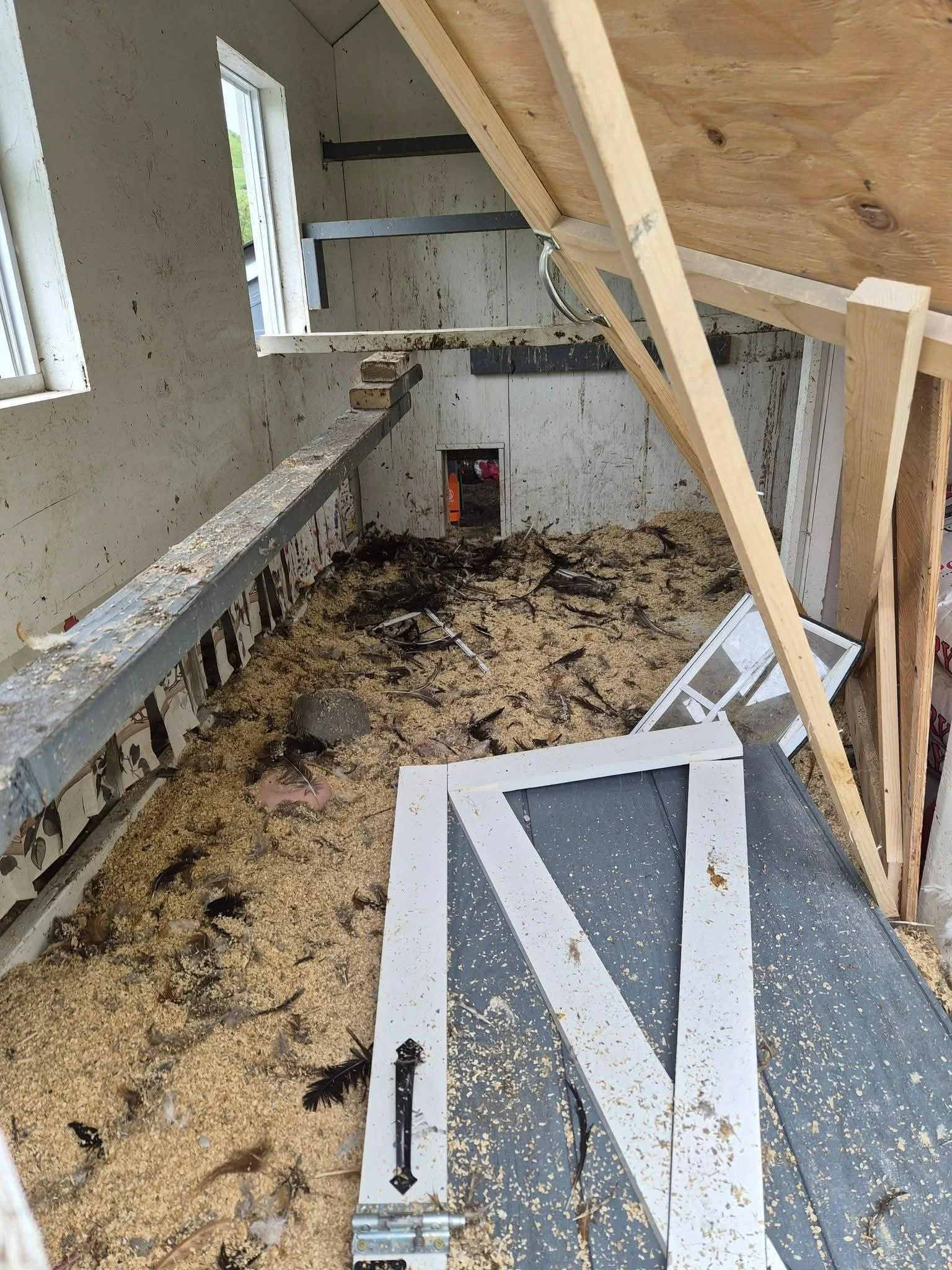
The bear killed 18 ready-to-process meat chickens and nine young hens that were being raised to replace laying birds. Knowing the bear had discovered an easy food source, Finke expected it to return. The following evening, neighbors spotted the bear attempting to enter another coop. After ensuring it was safe to do so, Finke and a neighbor dispatched the bear and reported the incident to the Alaska Department of Fish and Game, following the proper procedures.
While producers sometimes have no choice but to protect their livestock, neither Finke nor many other farmers view lethal removal as the first solution.
For Michelle, president of the Kodiak Chapter of Alaska Farm Bureau and co-owner of Wild Creek Farm alongside her husband, successful farming on Kodiak begins with prevention.
"They're wildlife," she said. "They're hungry, and they're unpredictable. We have to do our part before we blame the animal."
That philosophy reflects a growing effort among Kodiak producers to focus on prevention rather than conflict.
Keeping coops clean, removing food scraps each evening, maintaining electric fencing, trimming vegetation around livestock areas, and eliminating attractants have become just as important as feeding animals or collecting eggs. On Michelle's farm, electric fencing, wildlife cameras, overhead netting, and meticulous sanitation are all part of daily life. Even compost practices have changed after bears began investigating manure piles.
Those precautions require both time and money.
Rebuilding a destroyed chicken coop can cost thousands of dollars. Electric fencing isn't inexpensive, and many small producers simply don't have extra funds available after replacing livestock and repairing damaged buildings. One producer faces a $5,000 insurance deductible before rebuilding a demolished coop, while others may not have insurance coverage at all.
The losses extend well beyond the cost of replacing birds.
A producer who loses laying hens in midsummer won't simply buy new chickens and resume selling eggs next week. Young birds can take months before they begin laying, meaning some farms may not produce eggs again until next spring.
Recognizing these challenges, the Kodiak Chapter of Alaska Farm Bureau is shifting its focus toward education and community support.
On August 15, Supervisory Wildlife Biologist with the U.S. Department of Agriculture Wildlife Services (USDA‑WS), Marc Pratt will host a seminar for producers covering practical strategies for protecting livestock from bears. Chapter leaders are also exploring funding opportunities to help producers install electric fencing and improve farm infrastructure, emphasizing nonlethal wildlife deterrence whenever possible.
For Michelle, education starts neighbor to neighbor.
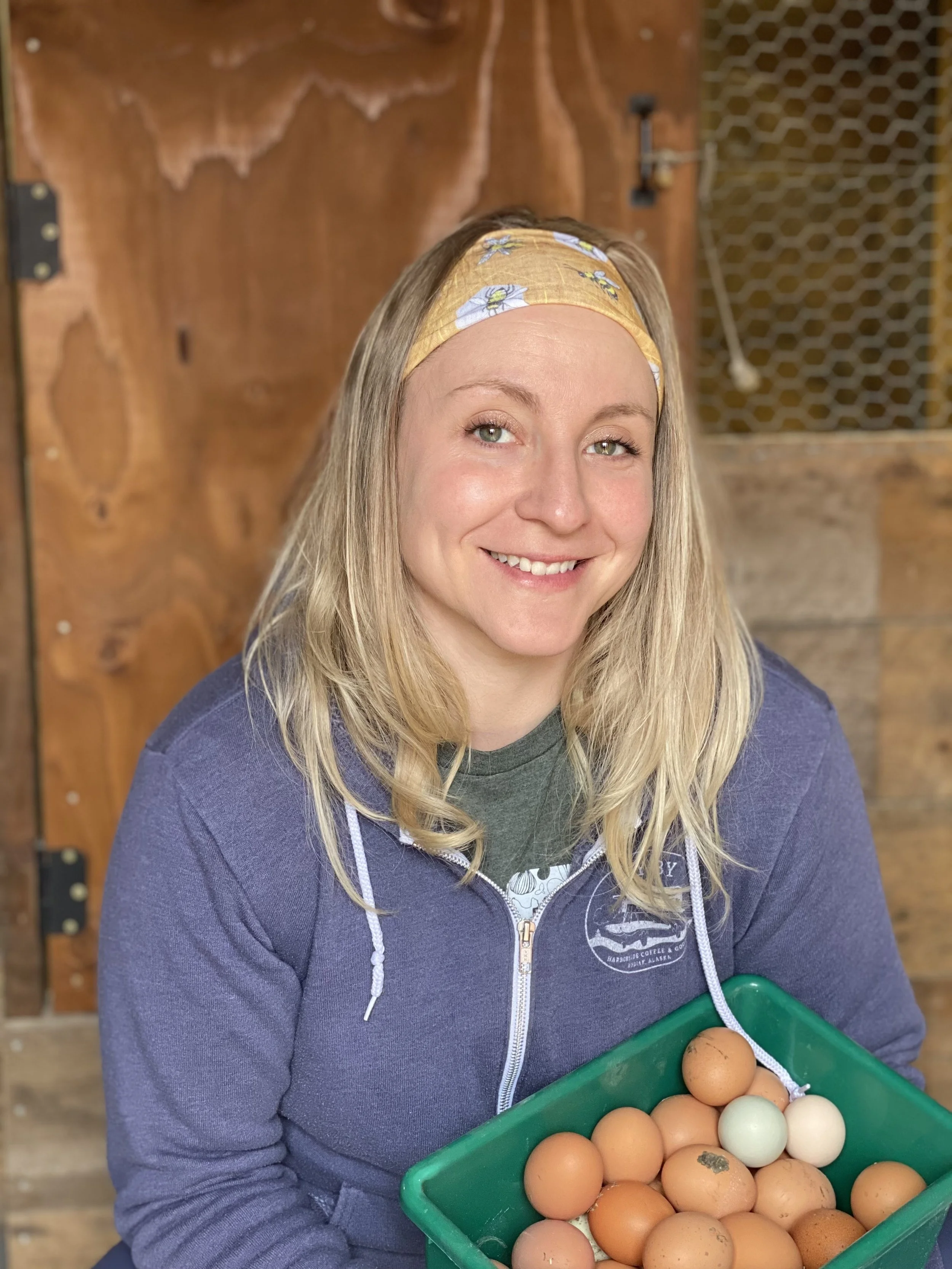
Many new farmers don't have parents or grandparents who can teach them how to farm in bear country.
"I've really learned from my mother," she said. "Some of these farmers don't have that person to learn from. I'd have no problem taking them under my wing, going out to their coops, and sharing what we've learned."
She believes that's one of the greatest strengths of the Alaska Farm Bureau.
"We're struggling as a chapter to get members," she admitted. "But this is exactly why people should join. It's about being a farm community together. If we're supporting each other, we can share the education, the resources, and hopefully help prevent some of these losses before they happen."
While attacks may be the first thing heard, Michelle hopes the public sees something larger than damaged coops and hungry bears.
Kodiak's farmers are not asking people to fear wildlife. They are asking people to understand the realities of producing food in one of the most unique agricultural landscapes in America.
Every day, producers balance protecting livestock with respecting wildlife. They maintain fences, monitor cameras, clean barns, secure feed, and constantly adapt to changing conditions. Sometimes they even consider sleeping beside livestock when a fence fails rather than risk losing animals overnight.
